Minimalist Travel Packing Planner: Pack Light in 15 Minutes
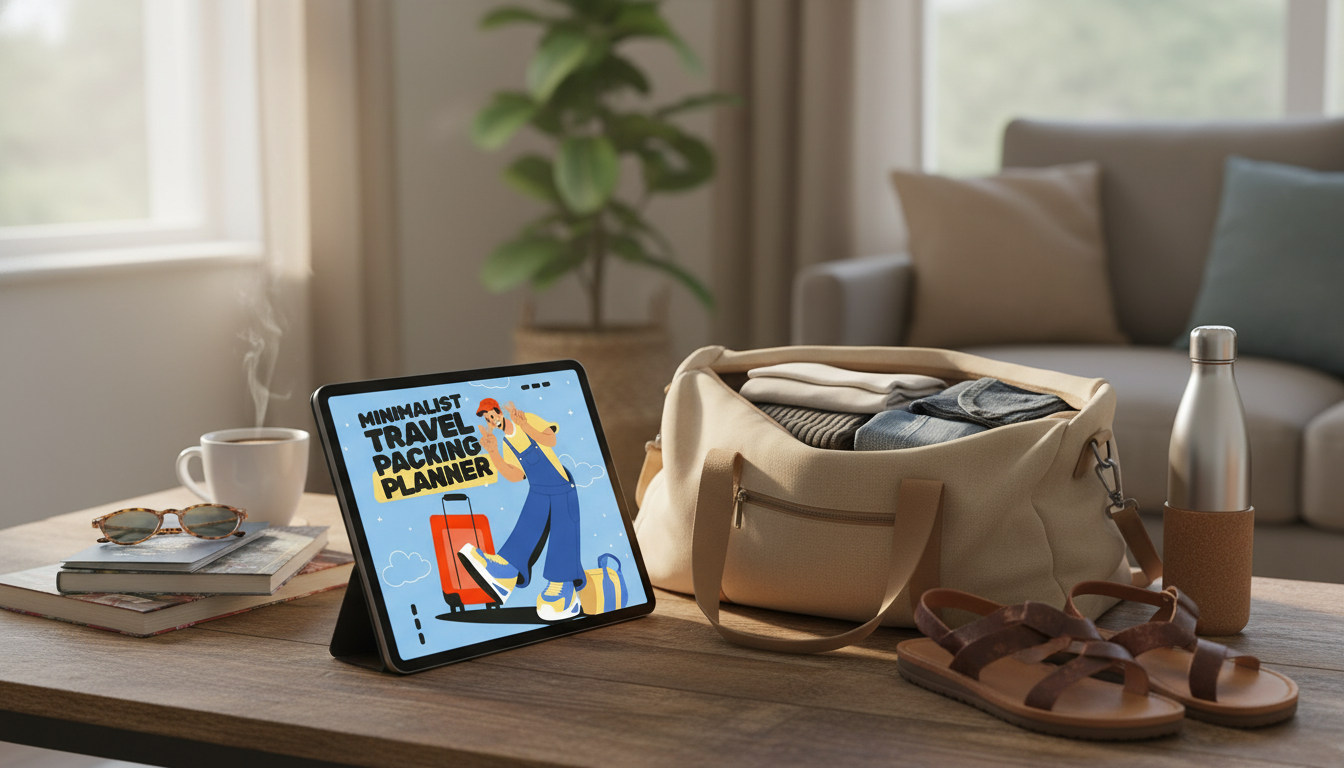
Minimalist Travel Packing Planner: A Digital Guide to Pack Light, Stay Organized, and Travel Calm
Packing light is easier when every item has a purpose and nothing is decided at the last minute. A minimalist packing plan turns “What am I forgetting?” into a simple checklist that matches the trip length, weather, and activities—so bags stay lighter, mornings run smoother, and travel days feel less stressful.
What a minimalist packing plan actually solves
- Reduces decision fatigue by turning packing into a repeatable routine.
- Prevents overpacking by limiting duplicates and “just in case” items that rarely get used.
- Cuts down on forgotten essentials with a single source of truth (one list plus quick notes).
- Improves airport and hotel transitions by keeping categories consistent from trip to trip.
- Helps balance comfort and flexibility with small, intentional extras instead of a second suitcase.
If packing tends to sprawl across the week before departure, a digital planner can act like a reset button: one place to plan, pack, and double-check—without reinventing the system every time.
How the Minimalist Travel Packing Planner works
A reusable digital packing guide is designed to be edited quickly, then reused for weekend getaways, business travel, and longer vacations. The workflow is simple:
- Start with trip basics (dates, destination, weather, lodging, laundry access) so clothing counts stay realistic.
- Build a capsule-style clothing set: a few tops and bottoms that mix, one layering piece, and one “nice enough” option.
- Add activity-specific modules (work, hiking, beach, formal dinner) only when they truly apply.
- Finish with a departure checklist: documents, chargers, medications, and last-minute household tasks.
For a ready-to-use, editable version, see the Minimalist Travel Packing Planner | Digital Packing Guide for Light, Smart & Stress-Free Trips, built to keep lists clean, repeatable, and easy to update for each destination.
Pack-light rules that keep bags small without feeling unprepared
- Choose a tight color palette so everything matches without extra items.
- Layer instead of packing bulky outfits that only work in one temperature range.
- Limit footwear to the fewest pairs that actually cover your activities.
- Minimize toiletries by decanting and choosing multi-use products (and keeping carry-on rules in mind—see the TSA 3-1-1 liquids rule).
- Create one small emergency kit (bandages, pain reliever, blister care) rather than scattered backups across bags.
- Plan for laundry if the trip is longer than a few days (sink wash, laundromat, or hotel service).
Minimalist packing decisions (quick reference)
| Packing area | Default minimalist choice | Upgrade only if… |
|---|---|---|
| Tops & bottoms | Mix-and-match capsule (repeatable pieces) | Multiple special events need distinct outfits |
| Outerwear | One versatile layer (light jacket or packable shell) | Weather is extreme or activities demand technical gear |
| Shoes | 1 main pair + 1 alternate (if needed) | You have formal requirements or sport-specific needs |
| Toiletries | Travel-size, multi-use items | Medical/skin needs require full-size or specific products |
| Tech | Phone + one charger setup | Work trip requires laptop, accessories, or camera gear |
| Extras | One comfort item (book, scarf, small self-care item) | Long transit days or sleep issues make it worthwhile |
Step-by-step: build a trip-specific packing list in under 15 minutes
The fastest lists are built with constraints first, choices second. This keeps the plan realistic and prevents the “maybe I’ll need it” spiral.
- Step 1: Define constraints (carry-on only vs. checked bag, airline limits, planned activities, expected weather).
- Step 2: Pick a base clothing set (core outfits) and estimate how many wears each piece can cover.
- Step 3: Add essentials by category (documents, money, health, hygiene, electronics) before “nice-to-haves.”
- Step 4: Create a leave-behind checklist (trash out, thermostat, doors/windows, pet care, plants).
- Step 5: Do a final edit pass: remove one item per category to confirm nothing is excessive.
- Step 6: Stage items the night before and pack in a consistent order so repacking is fast.
For international trips, it also helps to scan destination guidance ahead of time (vaccines, outbreaks, or local health advisories) via the CDC Travelers’ Health pages, then add only what’s relevant to your health category.
Category checklists that prevent last-minute scrambling
- Documents & money: ID/passport, boarding info, reservations, insurance details, payment cards, small cash.
- Health: medications, basic first aid, prescriptions (if applicable), hydration plan for travel days.
- Clothing: capsule set, sleepwear, underwear/socks counts aligned to laundry access.
- Toiletries: liquids compliance for flights, grooming basics, personal care essentials.
- Tech: chargers, adapters, headphones, power bank (if useful), device backups/critical files.
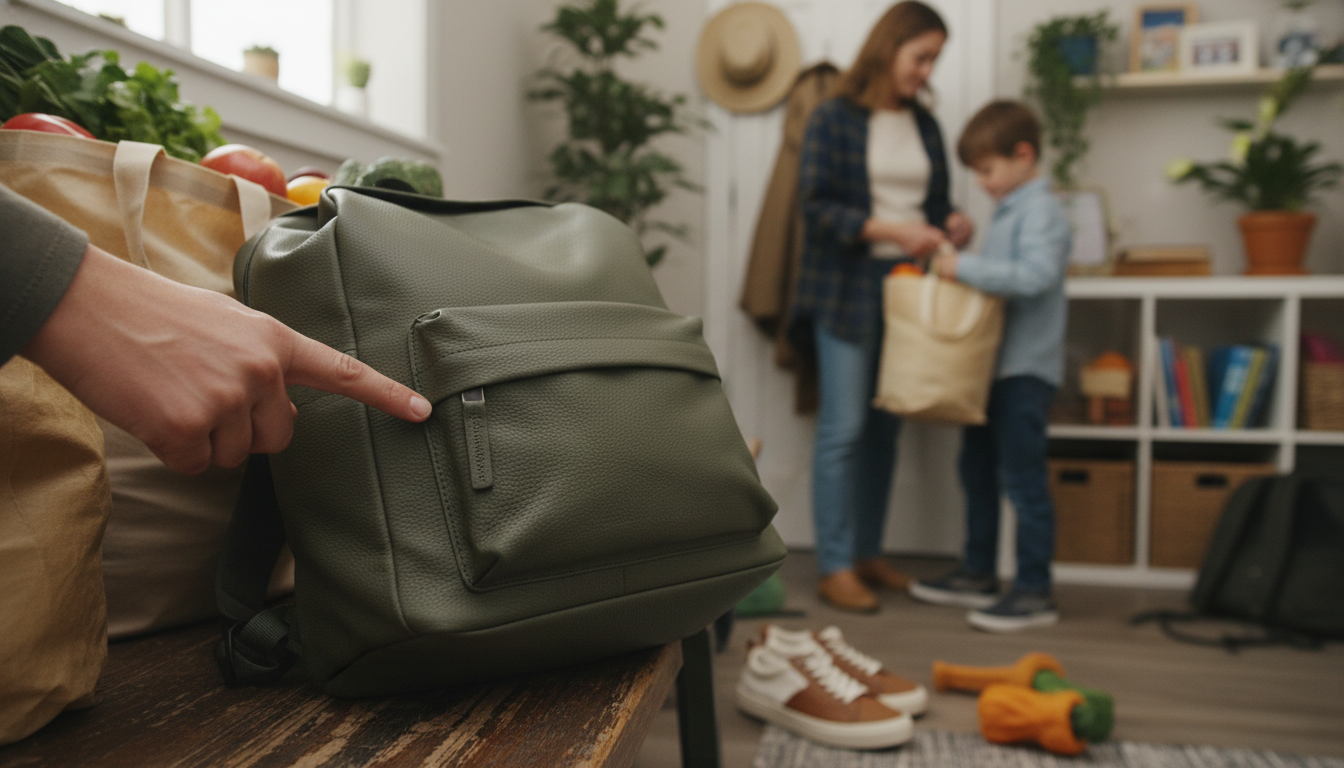
- On-the-go kit: snacks, reusable bottle, pen, mini stain remover wipe, compact tote.
International travelers may also want to confirm entry requirements and document guidance before finalizing the list; the U.S. Department of State international travel hub is a reliable place to start.
Smart ways to stay organized while traveling
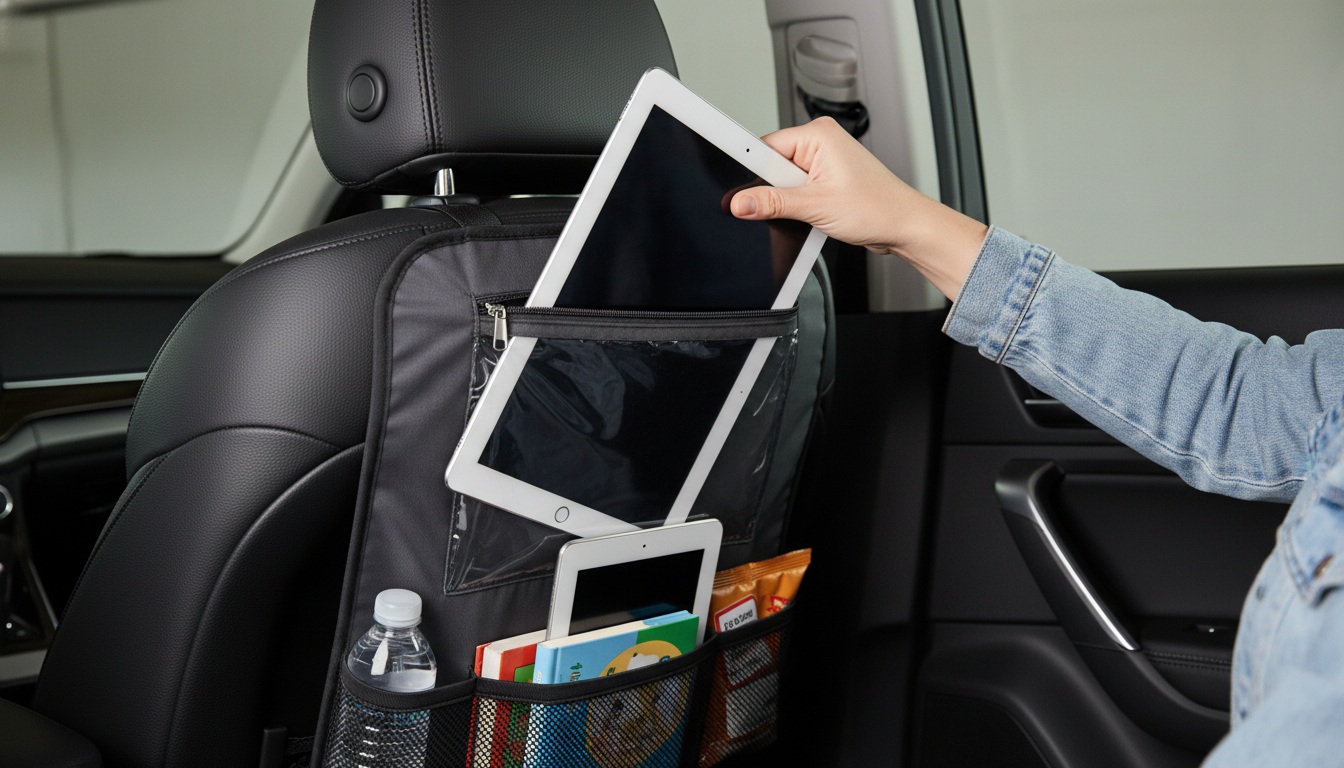
If you’re mixing travel modes—rideshares, rental cars, or a road trip—keeping your space tidy matters too. The Premium Eco Leather Car Seat Back Protector can help protect seats from scuffs and keep the back-of-seat area easier to wipe down after snacks, shoes, and day bags move in and out.
Who this planner fits best
Minimalist Travel Packing Planner: what you get
FAQ
How many outfits are enough for a minimalist trip?
Base it on trip length and laundry access: a small capsule that repeats well (with a layer and a “nice enough” option) usually covers most itineraries. Add only the items required for specific activities or dress codes.
Can a digital packing planner work for both carry-on and checked luggage?
Yes. Use the same categories either way, then let baggage limits set the quantity caps; checked luggage may allow a few comfort upgrades, but the essentials stay the same.
What’s the best way to avoid overpacking toiletries?
Decant into travel sizes, prioritize multi-use products, and keep everything in one compact kit so duplicates don’t creep in. For flights, align liquids with carry-on requirements to avoid last-minute reshuffling.









Leave a comment